Nature's solution to plastic pollution

We turn organic waste into a biopolymer PHA to solve two problems: a waste problem and a microplastic problem.

Plastic was never meant to last forever.

What if we could change the story?

Each year

Each year, humanity produces more than 400 million tons of plastic. Most of it ends up in landfills, rivers, and oceans, where it lingers for centuries.

It fragments into harmful microplastics that contaminate our food, our water, and even the air we breathe.

Only 9%

Only around 9% of all plastic ever produced has been recycled. The rest is burned, buried or lost to nature — a linear system for a material designed to last.

Nature has a better idea

Microbes have been making and breaking down polyesters for millions of years. PHA is nature's own plastic: produced by bacteria, and fully biodegradable.

we solve two problems.

Our solution for waste streams and microplastic pollution

How it's done

From side stream to natural material.

A new, circular chain — powered by microbes instead of oil wells.

01

Second generation feedstock

Our journey begins with resources that are already around us. We use organic residual and side streams as feedstock. By giving these residual streams a new purpose, we turn what was once considered waste into the starting point for a new generation of biopolymers.

02

PHAenix® licensing technology

Nature provides the next step. In our Phaenix® process, naturally occurring mixed-culture microorganisms feed on these residual streams and convert the available carbon into PHA. Inside their cells, the biopolymer is naturally stored. We harvest this PHA-rich biomass.

03

The Extraction of caleyda®

But the journey does not end here. To unlock the value of the biopolymer, PHA is recovered from the biomass through our extraction process. The result is a purified, high-quality biopolymer, Caleyda®, with tunable properties and a superior biodegradability.

04

Back again to nature

And when its useful life comes to an end, Caleyda® can be mechanically or biologically recycled. When it does end up in nature, it can biodegrade without leaving persistent microplastics behind. What started as residual carbon becomes a valuable material.

From lab to plant

This is our journey

News

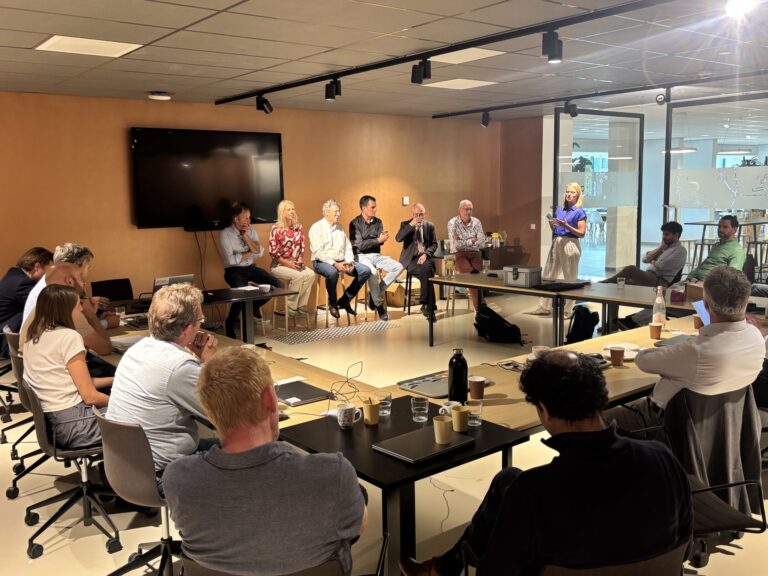
commitee of experts

Annual Meeting with our Experts

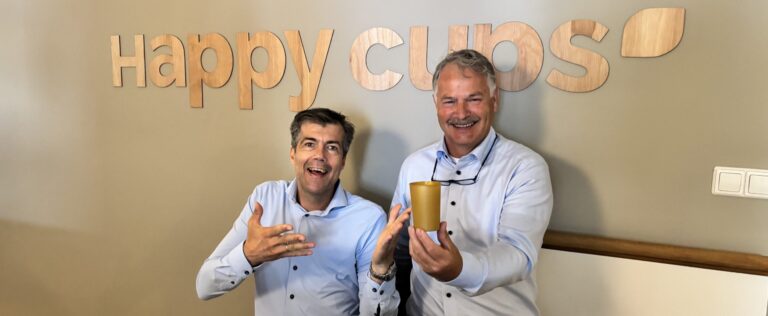
Happy Cup produced from Caleyda

First Happy Cup produced from Caleyda®

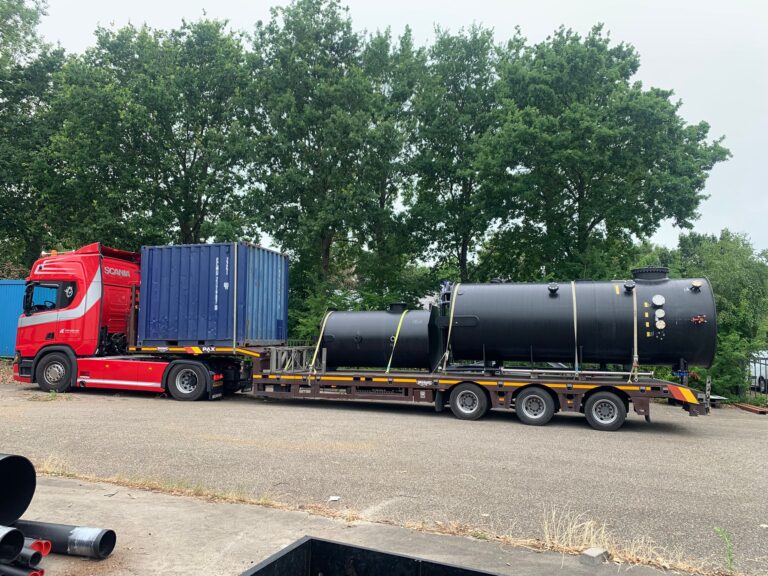
Pilot Phaenix

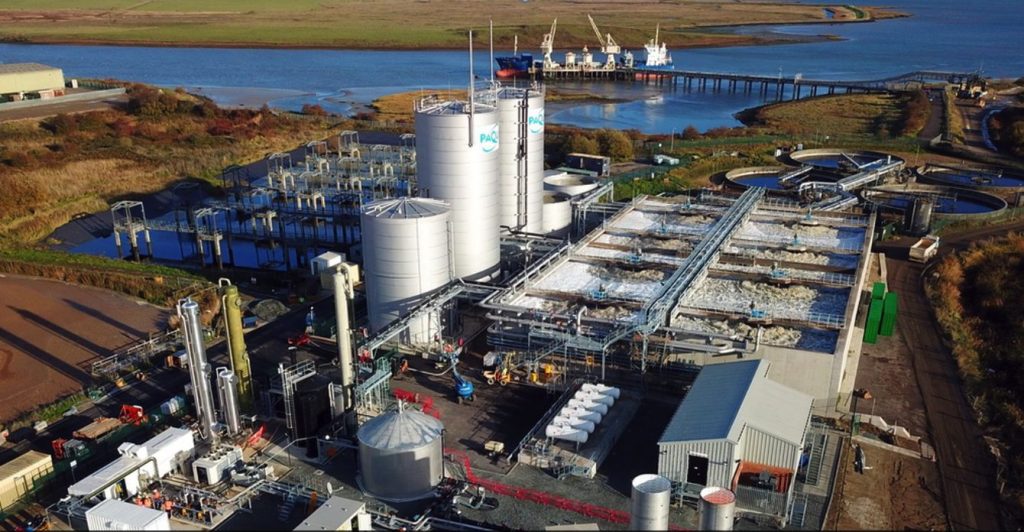
Pilot Phaenix® on its way to Delfzijl

Dairy and starch industry wastewater

From wastewater to value

For over 40 years, Paques has led the way in biological wastewater treatment — turning industrial and municipal wastewater into clean water and valuable resources.

This foundation of expertise laid the groundwork for Paques Biomaterials, where we take the next step: transforming organic components from wastewater into PHA, a natural alternative to plastic.

Corporate partners helping us in our journey