Our roots

From Waste to Wonder

Marinus Beijerink ontdekt PHA in 1888
1888

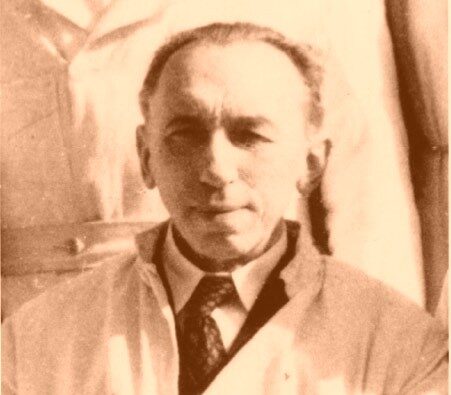
Martinus Beijerinck

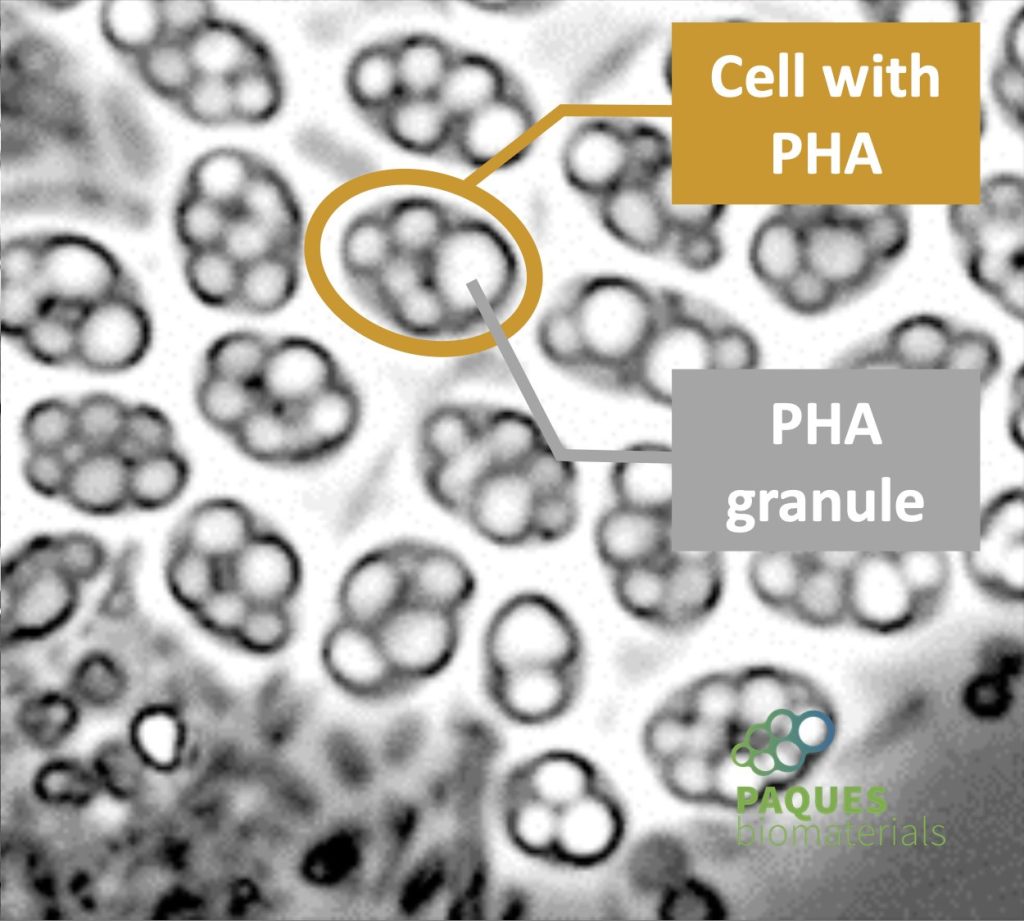
In 1888, the Dutch microbiologist Martinus Beijerinck was the first to observe small, fat droplets inside bacterial cells. Although Beijerinck did not yet know their chemical composition, his observations provided the first evidence of what we now recognize as intracellular PHA granules.
Maurice Lemoigne
1926

Maurice Lemoigne

French microbiologist Maurice Lemoigne investigated these intracellular inclusions. He isolated the material and demonstrated that it consisted of a polyester of 3-hydroxybutyric acid. Lemoigne’s work therefore provided the chemical identification of the material that Beijerinck had observed microscopically, establishing PHB as the first identified member of the PHA family.
Microscopic view of PHA-producing microbes
1974

Wallen & Rohwedder

A major breakthrough came in the 1970s, when researchers discovered that PHB was not the only type of PHA produced by bacteria. Wallen and colleagues isolated polyesters from activated sludge that contained other monomers. PHA was no longer considered a single polymer, but a family of biologically produced polyesters with a wide range of chemical compositions and material properties.
Mark van Loosdrecht
1990

Mark van Loosdrecht

The next step was made by Mark van Loosdrecht and his research group at Delft University of Technology. They demonstrated that the natural storage behaviour of bacteria could be exploited through a so-called “feast and famine” strategy. By exposing microbial communities to alternating periods of abundant and limited carbon availability, PHA-storing bacteria could be selectively enriched.
Dairy and starch industry wastewater
2011

Entering Paques

In 2011, Paques Global joined forces with TU Delft to further develop this concept. Paques already had extensive experience in converting organic residual streams into valuable products through its successful biogas technologies. Building on this expertise, Paques’ R&D department began exploring how residual carbon could be used to produce PHA. The aim was to take the natural ability of microorganisms to store carbon and turn it into a practical technology for producing a valuable biopolymer from residual streams.
pilot projects
2012

Seven successful pilots

The concept was put to the test in a series of pilot projects. Seven pilot projects were successfully carried out, using different waste streams as feedstock for PHA biomass production. Industrial wastewaters, including those from candy and paperboard factories, as well as source-separated municipal solid waste, were validated as suitable feedstocks for PHA production. These results demonstrated that a wide range of residual streams could be converted into PHA-rich biomass.
Delft-1 Extractie lab opstelling
2013

Extracting PHA from the biomass

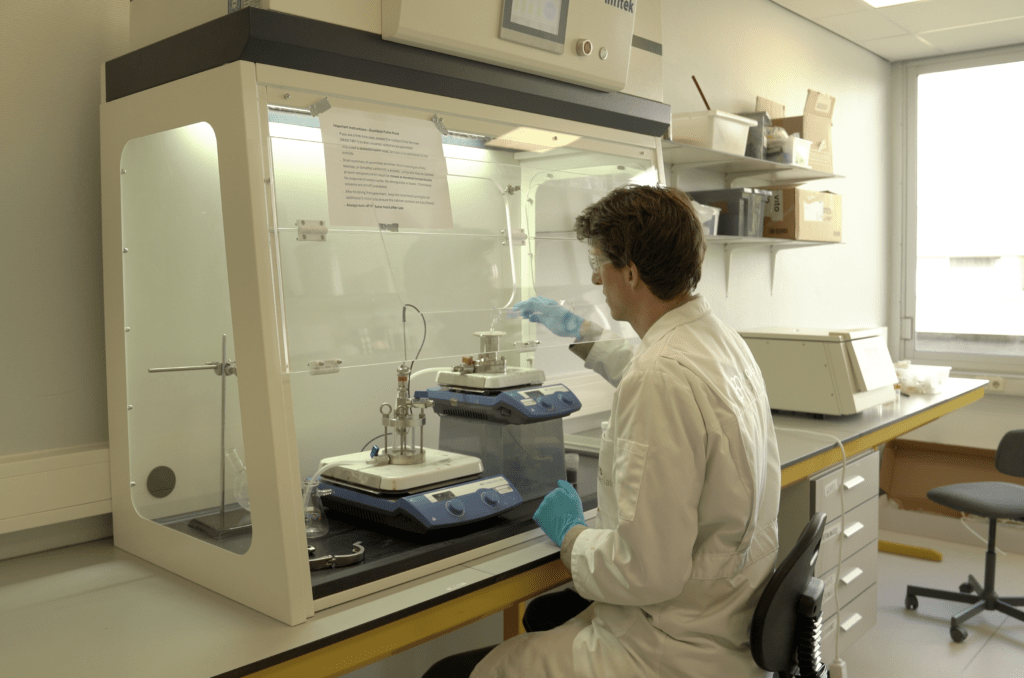
But producing PHA-rich biomass was only part of the challenge. To turn this biomass into a valuable material, the PHA first had to be extracted and purified. The focus therefore shifted from producing PHA biomass to developing an efficient extraction process capable of delivering a high-quality biopolymer with tunable properties. This led to the development of Caleyda®, the brand name for our high-quality, biodegradable biopolymer with tunable properties.
Milestone 2015 in the history of Paques Biomaterials
2015

Paques Biomaterials

After four years of research and development, the technology had progressed to a stage where it could continue its journey as an independent venture. This marked the beginning of Paques Biomaterials, a company dedicated to bringing PHA technology from residual streams to the market.
pha2use dutch waterboards
2018

Commitment of Dutch Waterboards

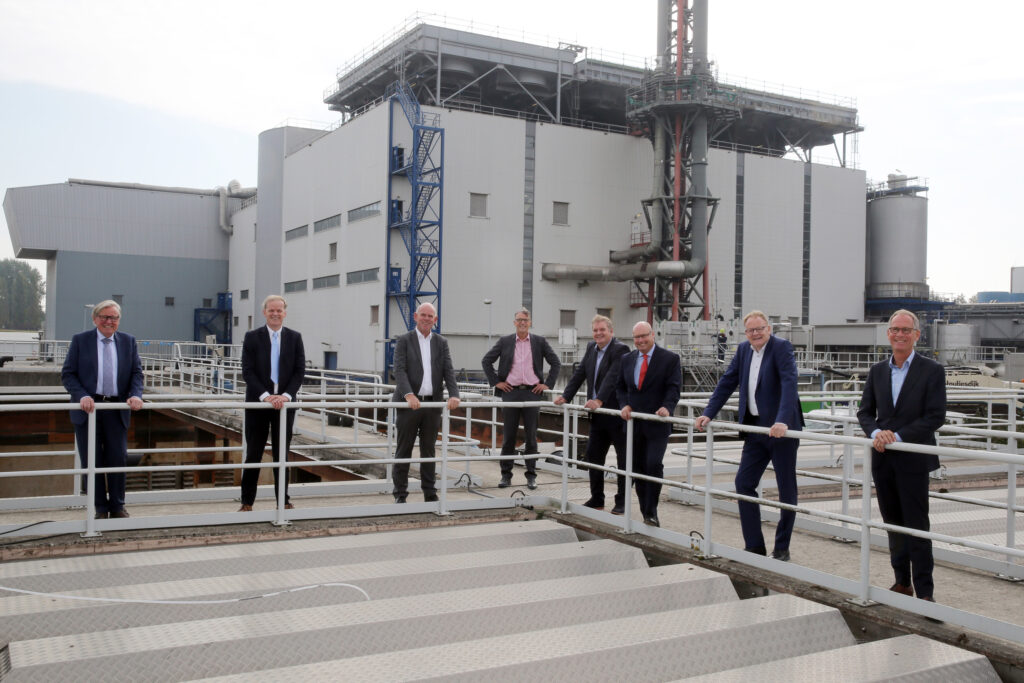
The next milestone was the development of a demonstration plant in Dordrecht. Five Dutch water boards agreed to contribute financially to the project, which became part of the PHA2USE consortium together with Paques Biomaterials, HVC, Aquaminerals and STOWA. The consortium set out to demonstrate that PHA biomass could be produced at a larger scale from circular feedstocks and to further develop the technology under real-world conditions.
Impression of Paques Biomaterials
2021

Paques Biomaterials carve-out

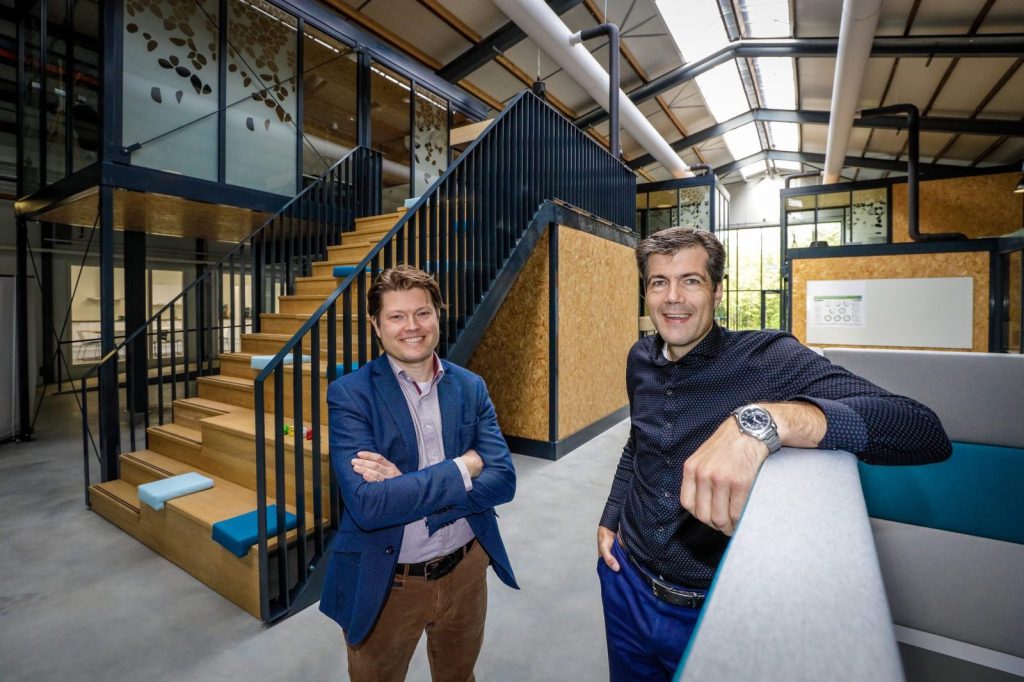
As the PHA technology continued to mature, it became clear that bringing it to the market would require a different approach. Paques Biomaterials was therefore carved out of its parent company, Paques, a global company focused on industrial wastewater and biogas treatment technologies. While the two companies shared a common heritage, the development and scale-up of PHA required a different business model and a dedicated vision. Paques Biomaterials became fully independent from Paques, both legally and at shareholder level, with Joost Paques and René Rozendal as its founders and owners.
pilot projects
2022

Operations started for PHA demo plant

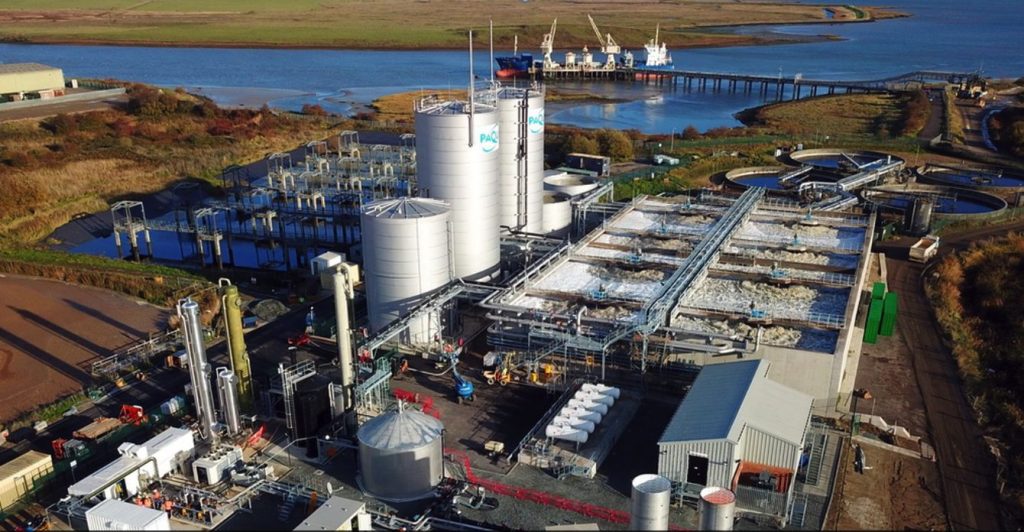
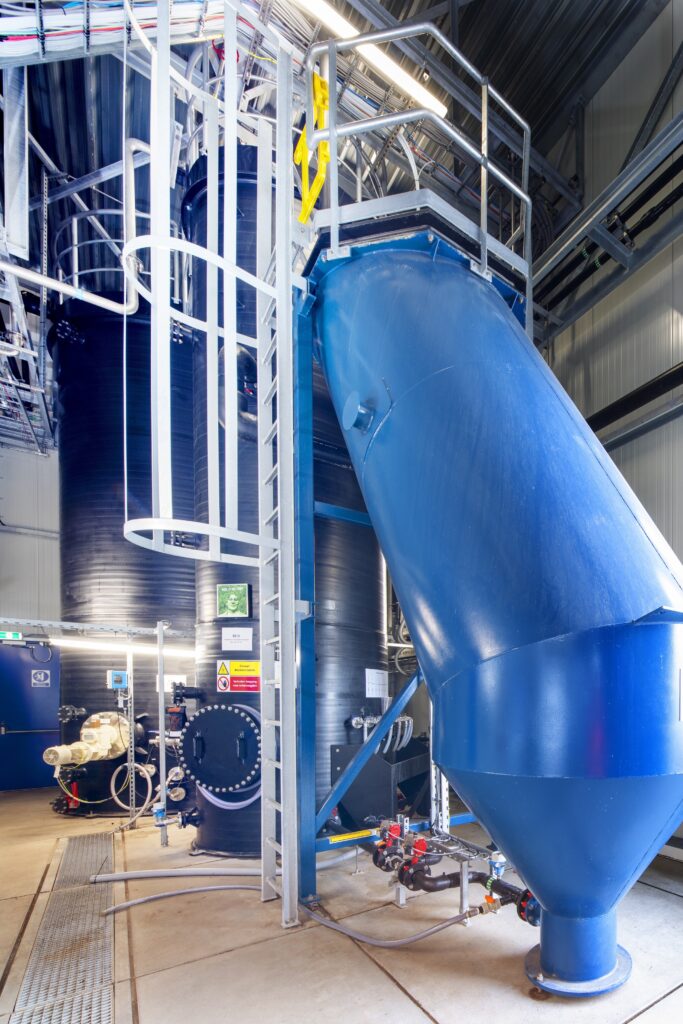
We started operations of our first demonstration plant for PHA biomass production in Dordrecht, Netherlands. This demo plant is part of the project PHA2USE, involving a consortium between Paques Biomaterials, HVC, Aquaminerals, STOWA and 5 Dutch water authorities. This unique Demo facility can be used with different PHA biomass production approaches and use different circular feedstocks, brought in from other locations.
bold creativity
2024

Research Extraction Facility

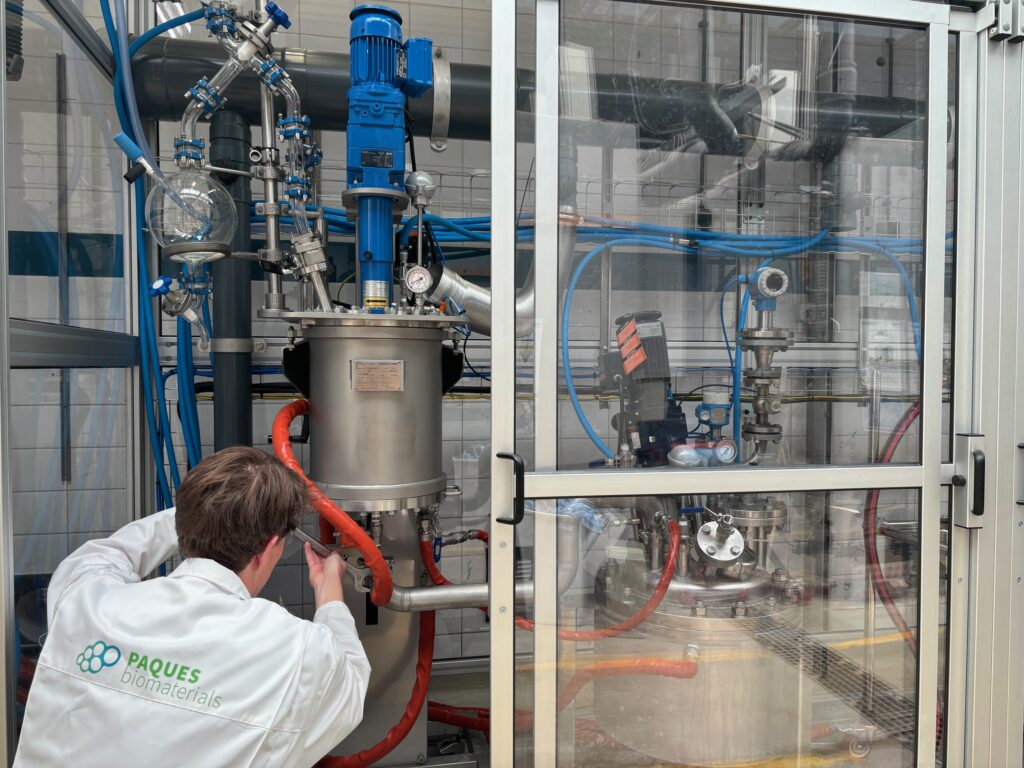
As the technology continued to develop, so did the need for a more flexible way to improve the extraction process. In the laboratory, only a few grams of PHA could be extracted at a time, while the pilot plant in Emmen was capable of processing more than 50 kilograms per run. An intermediate solution was needed something that would allow the team to perform rapid, repeated tests while producing enough material for meaningful evaluation. Our colleague Chris Vermeer designed and engineered the research exxtracion facility to extract a few kilograms of PHA per run.
bold cooperation
2024

Let's build the CEF

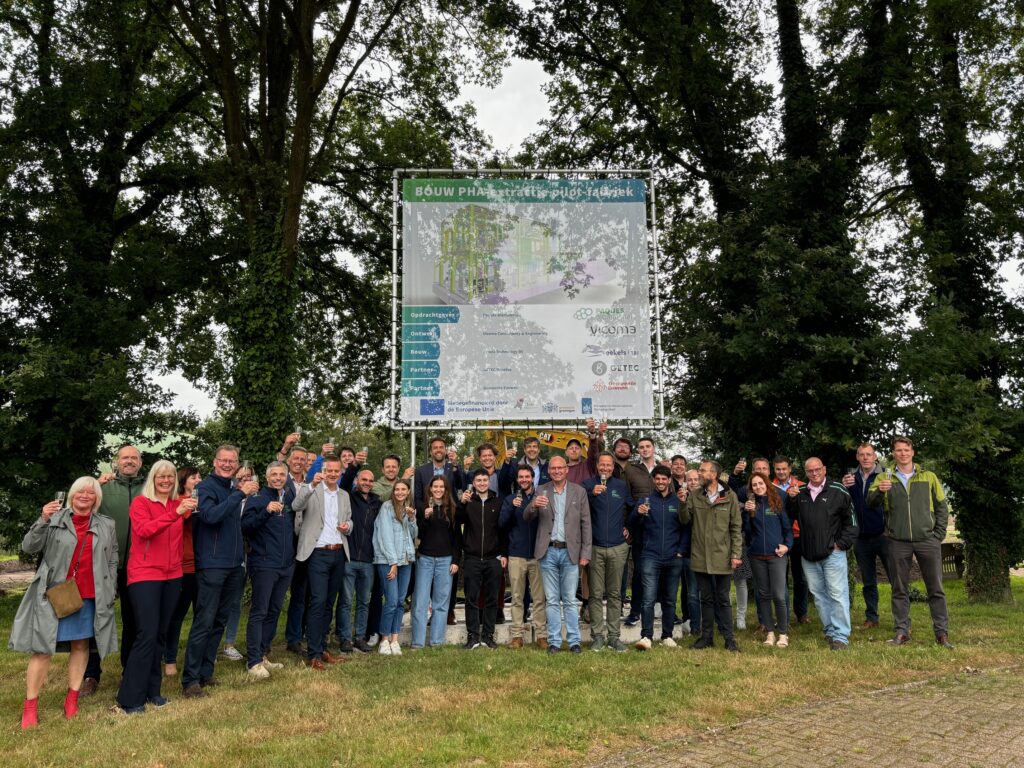
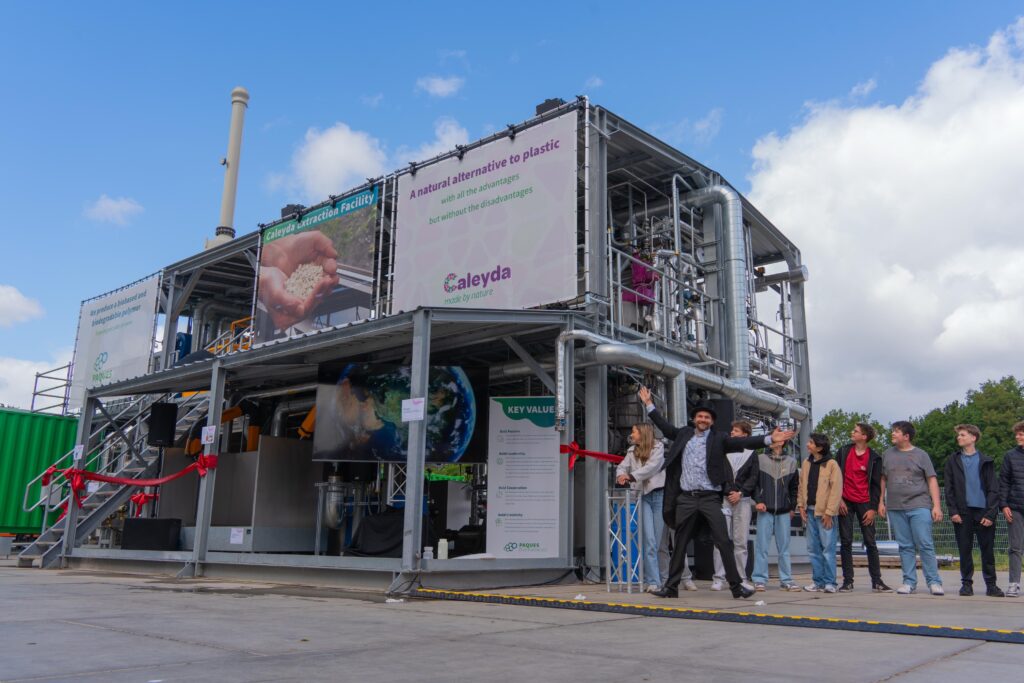
The next step was to bring the extraction technology to an even larger scale. During the kick-off of building the Caleyda® Extraction Facility, we invited our partners to celebrate this important milestone together. The facility was designed to extract 50 kilograms of Caleyda® per run, providing a crucial bridge between pilot-scale development and future full-scale production. At the same time, it would provide sufficient material for application development and help prepare the technology for the next stage of scale-up.
ESKA and Paques Biomaterials
2025

Engineering world's first full scale plant

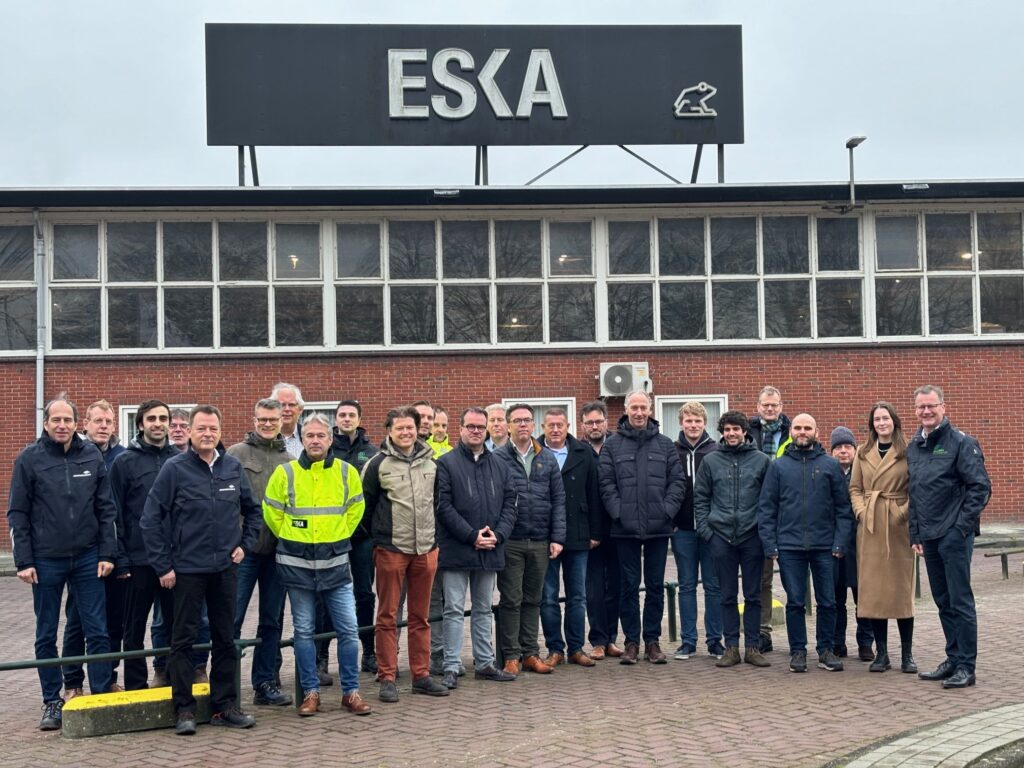
With the extraction technology advancing, attention turned to full-scale production. Together with our partner ESKA, engineering began for what is planned to be the world’s first full-scale plant for producing PHA from process water. The preparations focus on developing the technology and business case required to make an informed investment decision for a future production facility at the Hoogezand production site,
Opening CEF
2025

Opening of the CEF

The opening of the Caleyda® Extraction Facility marked an important milestone in this journey. With the facility capable of extracting 50 kilograms of Caleyda® per run, the technology had moved another step closer to industrial scale. More importantly, the facility demonstrates what becomes possible when science, knowledge, engineering and the ambition to turn residual streams into valuable resources come together.
Phaenix-Pilot-Plant-Delfzijl
2026

Pilot Phaenix installed in Delfzijl

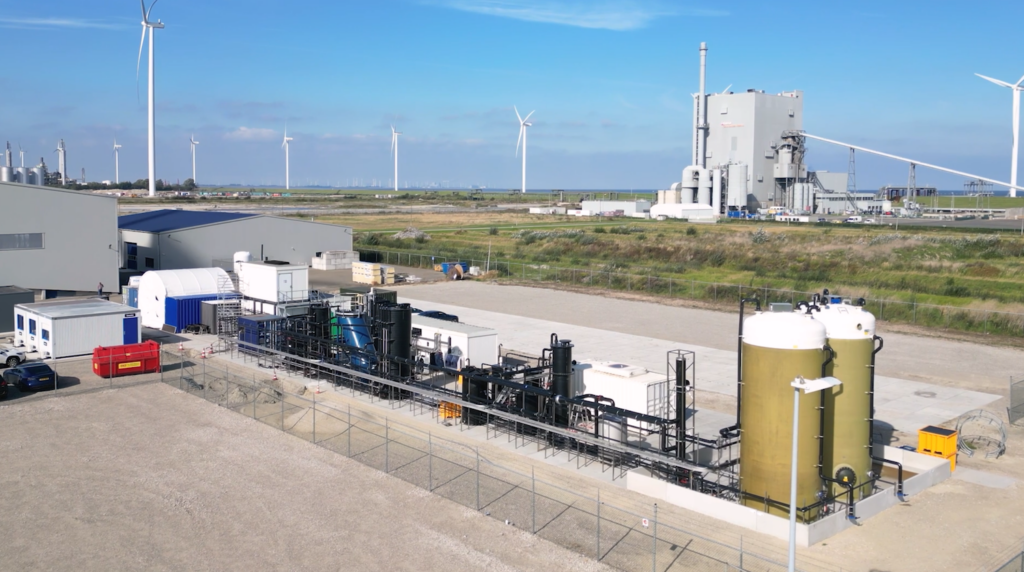
Our Phaenix pilot is installed in Delfzijl producing PHA from agrifood side streams providing the feedstock for our Caleyda® extraction pilot in Emmen. We'll have 2 pilots running on different feedstock validating the basic engineering of a full scale plant.
global expansion
?

Global expansion

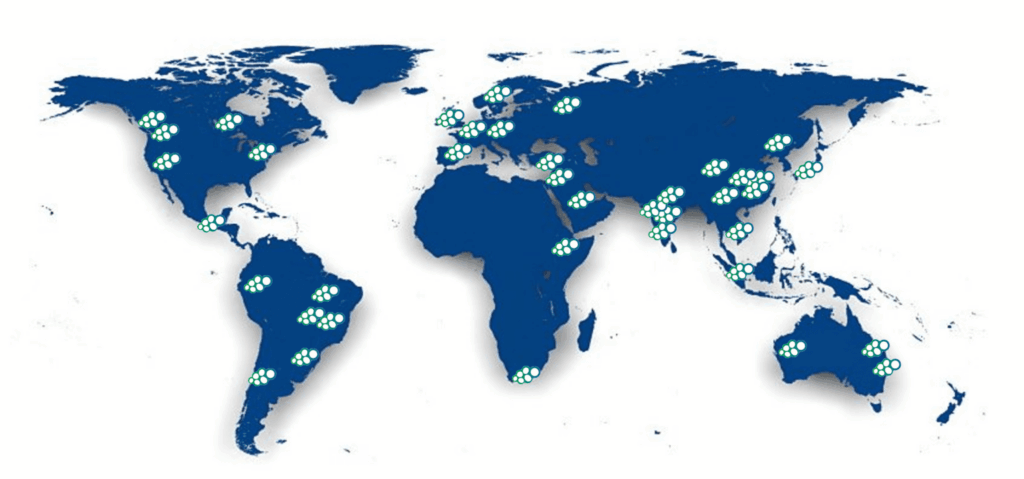
And this is only the beginning. Once the business case is firmly established, Paques Biomaterials has global ambitions. We aim to expand by building new PHA production facilities while also licensing its technology to strategic partners in other regions of the world. In this way, the ambition is not only to produce Caleyda® at scale, but to accelerate the transition from residual streams to valuable, biodegradable materials around the globe.